The Art of the Face-to-Face
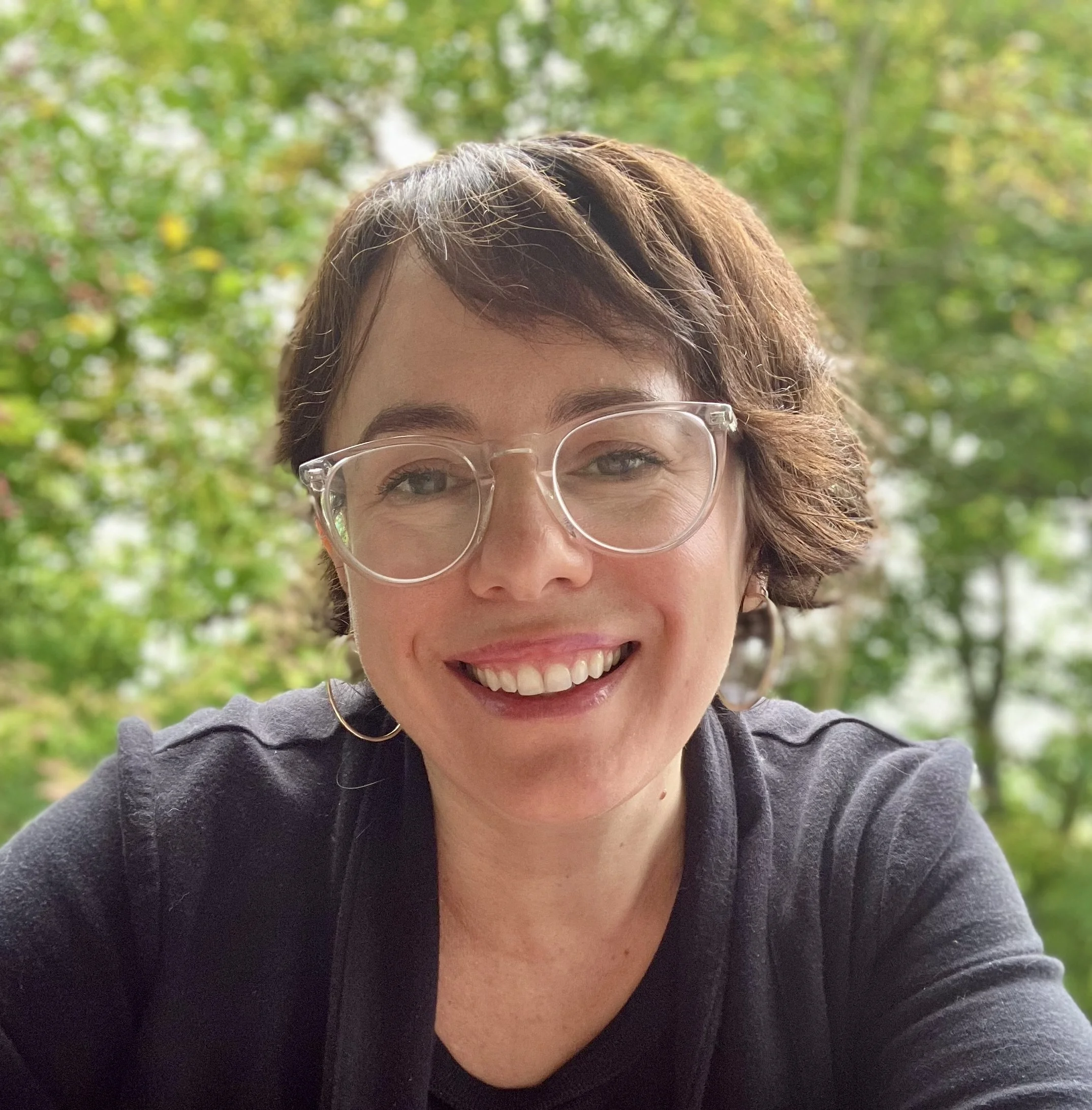
By Jane Halpert, PhD, TLLP
As someone who likes to write and cook and generally get creative, I wasn’t sure before I started how practicing psychotherapy might fit into my life as an artistic person. Turns out I find this work very creatively satisfying. I never get bored of listening to people try to tease out their emotional responses or put together the pieces of their histories. Sometimes sessions are hard and confusing, for both me and the client. Occasionally afterward I’ll cry or need to blast music in the car to help me calm down. But those moments are thankfully rare. Usually, I leave sessions with the feeling that tough things were discussed but something important and maybe even beautiful also occurred.
In other words, I’m a true believer in psychotherapy as a deep source of meaning: an “I-thou” encounter, to use Martin Buber’s term.
Given the ubiquity of AI, the person-to-person encounter feels more important than ever. Disclosure to another human being will always be more enriching than disclosure to a machine. Chatbots can teach you coping skills and validate your every move. They’re not half bad at dream interpretation. But they have no nervous systems, no unconscious minds, no moral imagination built on suffering, joy, or other embodied experiences. We humans crave messier relationships. Communication is so much more than an algorithmic exchange.
In education, a field I used to work in, students can watch their class lectures from their beds on YouTube and write (soulless, sad) research papers using an AI bot. I have huge admiration for teachers and professors who are responding to these developments by revamping their teaching. A friend who teaches in an MFA program believes that the time of college lectures needs to give way to very small group learning, especially one-on-one dialogue.
Why should education just reproduce what’s already available online? And for that matter, why should psychotherapists dispense CBT skills and handouts that clients can easily find through Google or Claude? We all need a different way to learn, whether it’s in the classroom or the therapy room: a way that’s more intuitive, more artistic, more human.
The promise of practicing humanistic psychotherapy was what drew me to psychology, not psychometric testing, not diagnosis, not any kind of fascination with pathology or treatment interventions. As a lover of fiction, I saw a continuity between the inner worlds of characters and the themes that come up in the private space of the therapy. Each person is so vastly different from the next, but we all share common needs, fears, and hopes. The disclosure of these things can feel creative, as if the conversation were a collaborative artwork.
An article I read recently, from psychologist Nisha Gupta, “Can Psychology Be an Art? A Journey from the Human Sciences to the Psychological Humanities,” argues for reclassifying psychology as not just a science but as an art. She describes her wish for a soulful psychology that feels continuous with her love of art-making and creative writing. Reading the work of James Hillman, Gupta resonated with his belief that the human psyche is intrinsically beautiful. It’s a neat idea to contemplate, a beautiful psyche. People don’t always do beautiful things, but if you consider the scope and subtlety of the human mind—how much it holds, represses, expresses, and how it has evolved to defend life—it actually is phenomenally beautiful.
Hillman has another formulation I like. He writes that if we can fall in love with something, we will be more inclined to protect and preserve it. I think this is what I want most for my clients—for them to sense the beauty of their inner worlds and cherish their aliveness. “What would make you want to not destroy something?” Hillman asks. “It would be your sense of appreciation of its beauty.”
Clinically reviewed by Mel Whalen, PhD, LP — Licensed Psychologist, Michigan #6301015759.
Something here sound familiar?
You don’t have to have it figured out to begin. Tell us a little about what’s going on and we’ll match you with the clinician who fits.
Or text us: (810) 394-8921 — no phone calls needed.
Telehealth across Michigan · In-person options in Washtenaw County
#psychotherapy #therapeuticrelationship #humanisticpsychology #AI #JamesHillman #therapy #mentalhealth #annarbor #michigantherapist #forestfernscounseling